

Downtown Los Angeles has some of the finest early 20th-century commercial buildings in the country, and since 1999 many of them have become lofts. Missig Team at Berkshire Hathaway HomeServices California Properties has represented buyers and sellers across Downtown, from historic conversions such as the 1911 A.G. Bartlett Building on Spring Street, Little Tokyo Lofts and Grand Lofts to high-rise condominiums in South Park and on Bunker Hill.
A historic loft is a different purchase from a house in the hills: soaring ceilings, steel-casement windows and concrete columns, with an HOA, a building history and a conversion that all deserve a close look. Phil Missig came to real estate from fashion, photography and an interest in architecture and design, and we help buyers understand both the space and the building around it.
Downtown Los Angeles Lofts and Condos
From banks and warehouses to lofts
In the early 1900s, Spring Street was the financial center of Los Angeles, lined with Beaux Arts banks and office towers often called the Wall Street of the West, and Broadway a block over was the city's theater and shopping street. Many of those buildings stood half empty by the late 20th century.
The turning point came in 1999, when the City of Los Angeles adopted its Adaptive Reuse Ordinance, which made it practical to convert historic commercial buildings into homes. Downtown's office towers, banks and warehouses became lofts and condominiums, with original terrazzo, marble, steel windows and high ceilings intact.
The A.G. Bartlett Building at 7th and Spring is a good example. Designed by John Parkinson and Edwin Bergstrom and completed in 1911, it was the first Los Angeles home of the Union Oil Company and for a few years the tallest building in the city. In 2002 it became one of the early adaptive reuse loft conversions. In Little Tokyo and South Park, 1920s industrial and commercial buildings followed, with concrete construction, oversized windows and open floor plates.
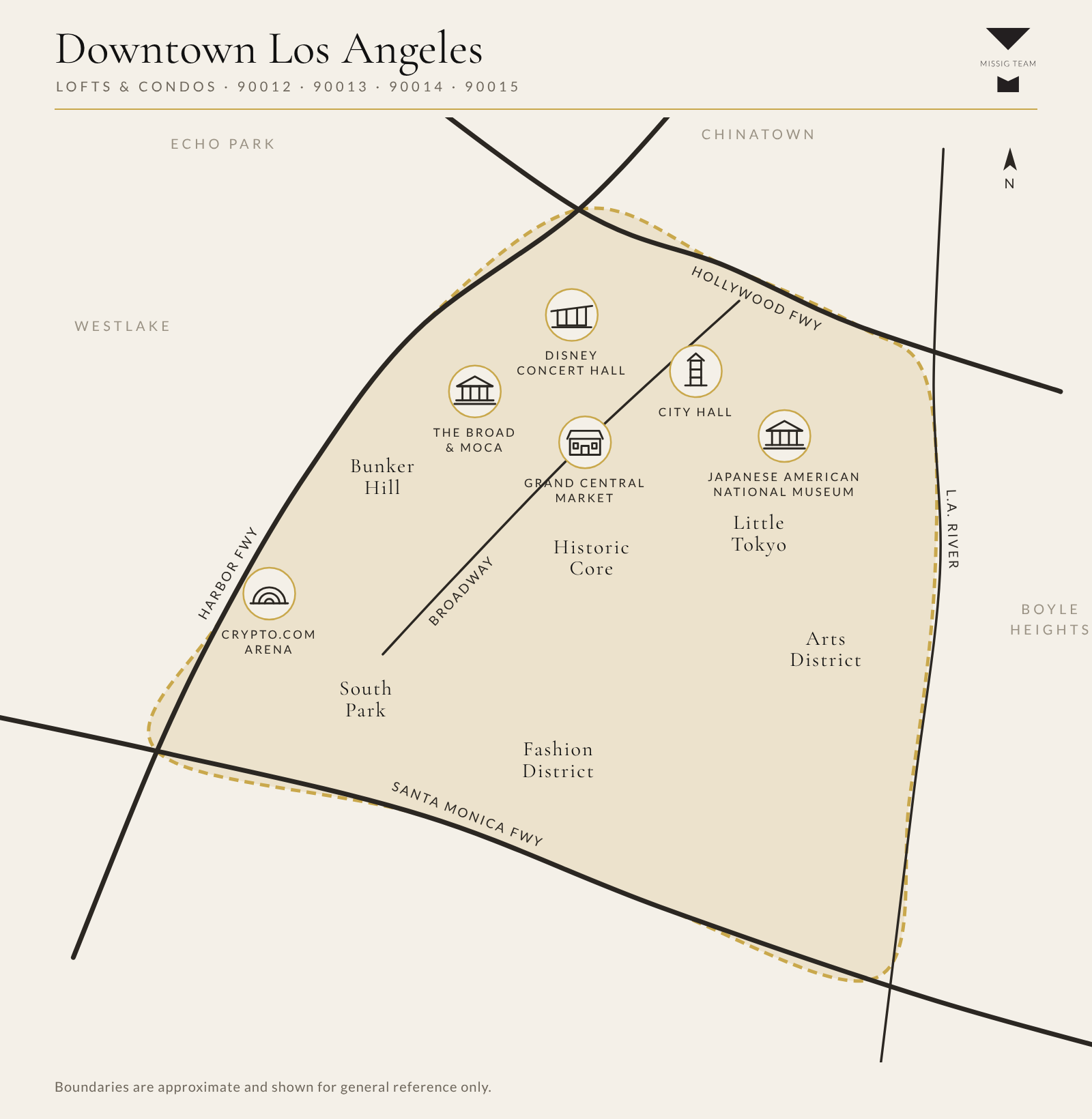
Where it is: Downtown Los Angeles, in the 90012, 90013, 90014 and 90015 ZIP codes, bounded roughly by the 110, the 101 and the 10 freeways and the Los Angeles River.
Downtown’s loft and condo districts
The Historic Core
Spring Street, Main Street and Broadway between roughly 2nd and 9th streets, with Beaux Arts banks and office towers converted to lofts, including the Spring Street Financial District and the Broadway Theater District, both listed on the National Register of Historic Places.
The Old Bank District and Gallery Row
Within the Historic Core around Main and Spring streets near 4th and 5th, with early 1900s bank buildings converted to lofts and galleries along the street level.
The Financial District
The high-rise towers along Grand, Hope, Flower and Figueroa, with newer residential towers mixed in among the offices.
The Jewelry District
Around Hill Street and Broadway between 6th and 8th streets, with 1920s commercial buildings, some converted to lofts.
The Civic Center
City Hall, the courts and Grand Park, between Bunker Hill and Little Tokyo.
Little Tokyo
East of the Historic Core around 1st Street and San Pedro, one of the oldest Japanese American neighborhoods in the country, with 1920s industrial loft conversions near the Arts District and the Regional Connector's Little Tokyo/Arts District station.
The Arts District
East toward the Los Angeles River, with former warehouses and factories converted to live-work lofts, galleries and restaurants.
South Park
The southwest side of Downtown around Grand Avenue and 11th Street, home to Crypto.com Arena and L.A. Live, with 1920s conversions such as Grand Lofts alongside newer high-rise condominiums.
The Fashion District
South of the Historic Core around Los Angeles Street, with former garment and textile buildings converted to lofts.
The Flower District
South of 7th Street around Wall and San Pedro streets, centered on the Los Angeles Flower Market.
Bunker Hill
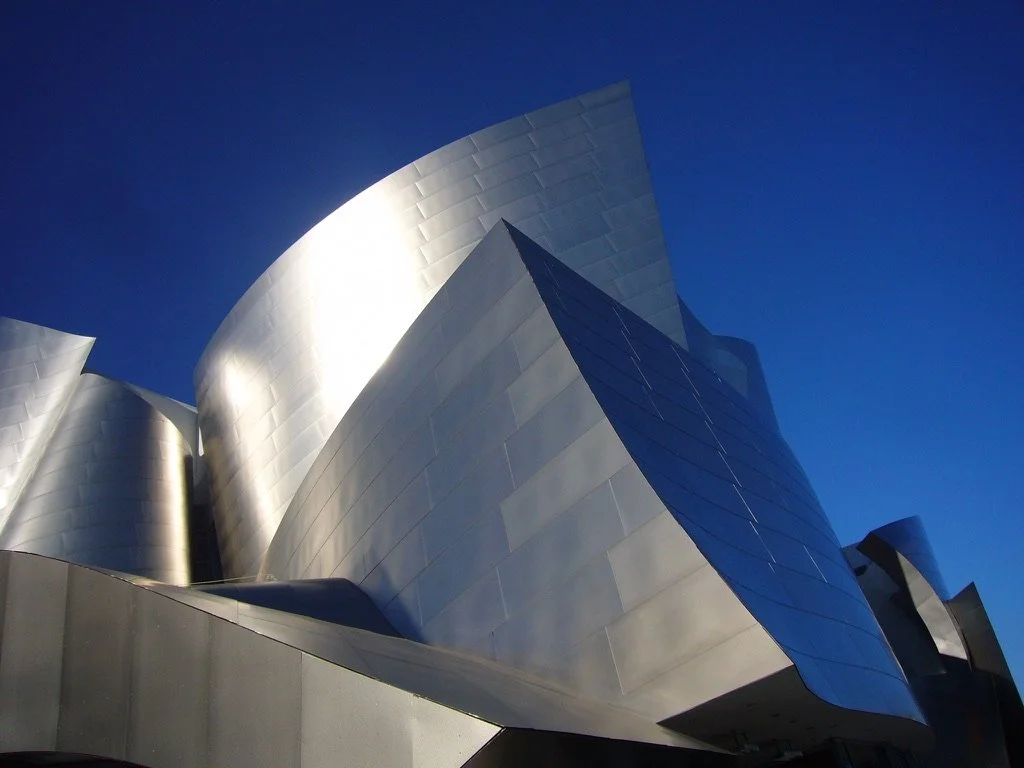
The hill above the Historic Core, with Walt Disney Concert Hall, The Broad and the 1960s and 1970s residential towers of the Bunker Hill redevelopment.
Lofts and condos we have represented
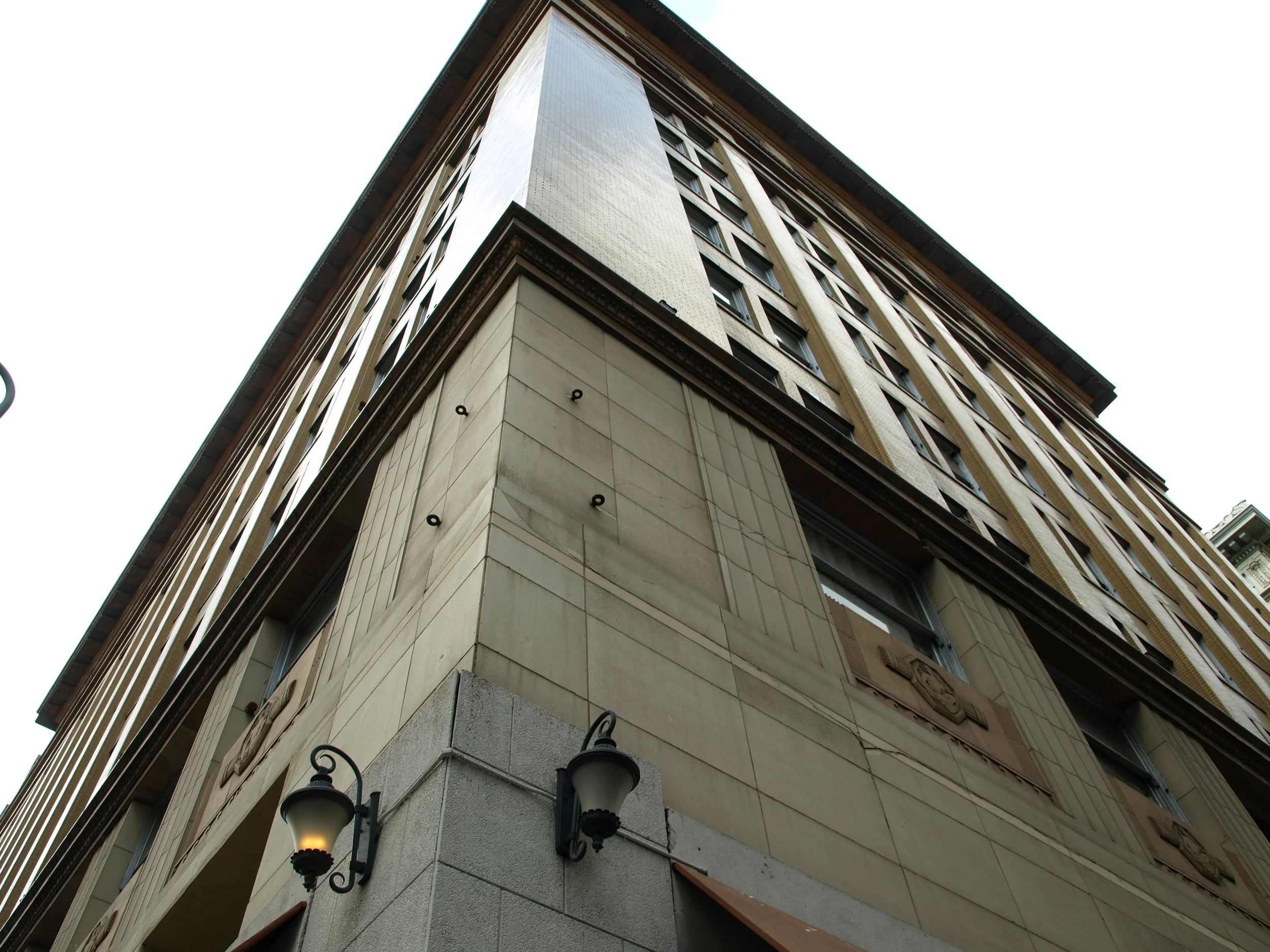
The A.G. Bartlett Building, 1911, by John Parkinson and Edwin Bergstrom, 215 W. 7th Street. A 14-story Beaux Arts tower in the Spring Street Financial District, built as the first Los Angeles home of the Union Oil Company and converted to lofts in 2002. We have represented sellers and buyers here more than once.
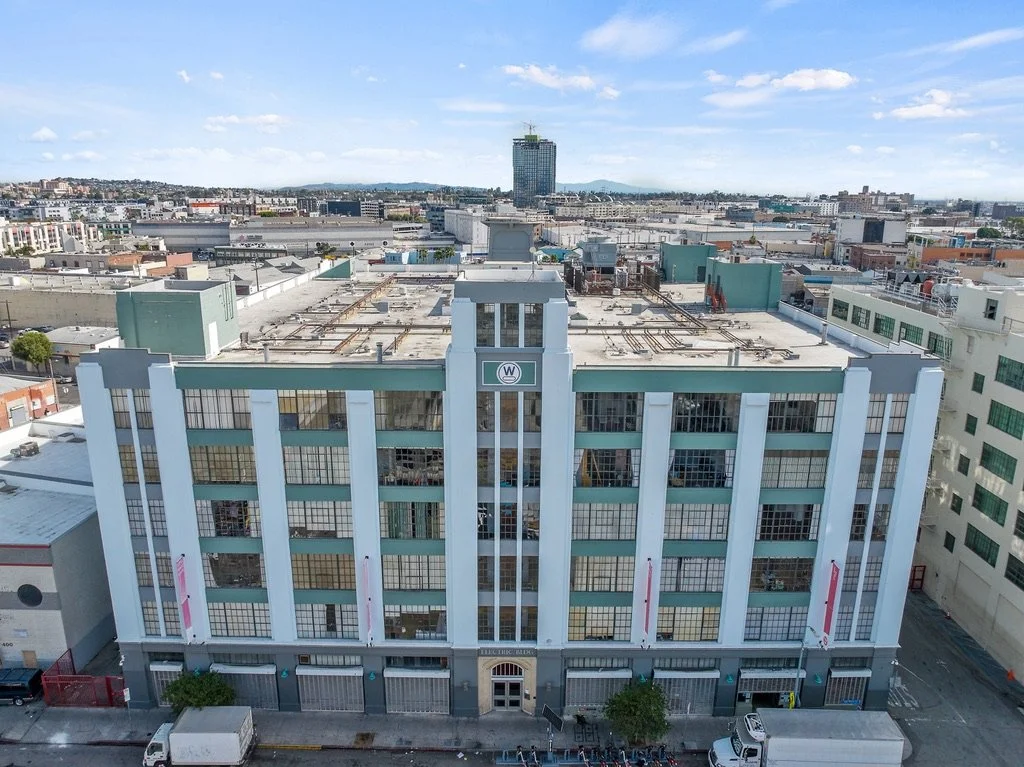
Little Tokyo Lofts, 1922, 420 S. San Pedro Street. Built as the Westinghouse Electric Company building, a six-story concrete industrial building converted to lofts, with steel-casement windows, concrete walls and columns, ceilings up to nearly 16 feet and skyline views, at the edge of Little Tokyo and the Arts District. We have represented both buyers and sellers in the building, including a buyer who purchased a loft new from the developer. View a loft
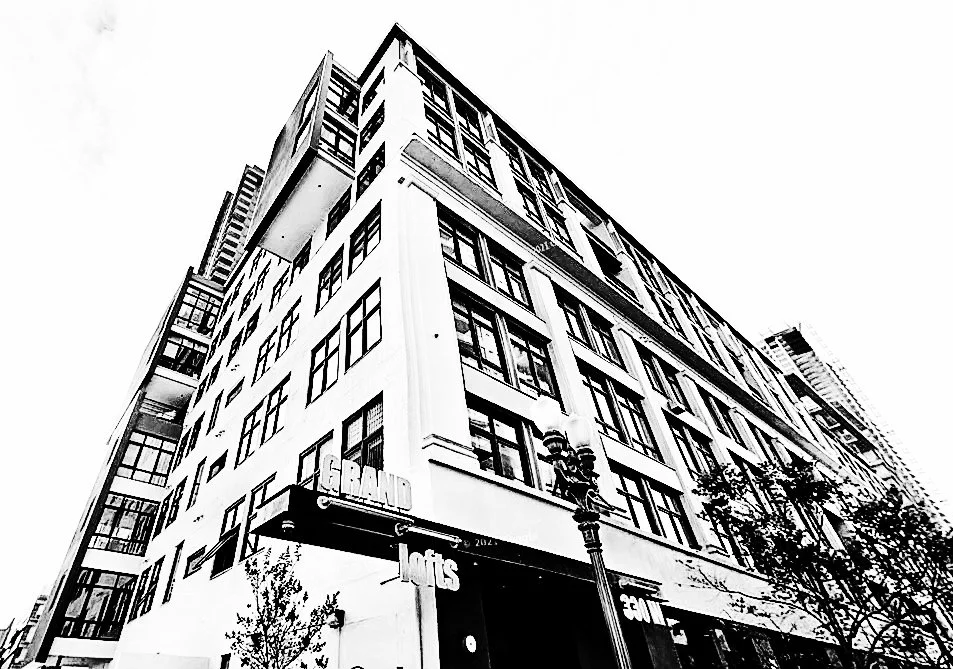
Grand Lofts, 1923, 330 W. 11th Street. A seven-story 1920s building in South Park, converted to lofts in 2005. We represented the buyer.
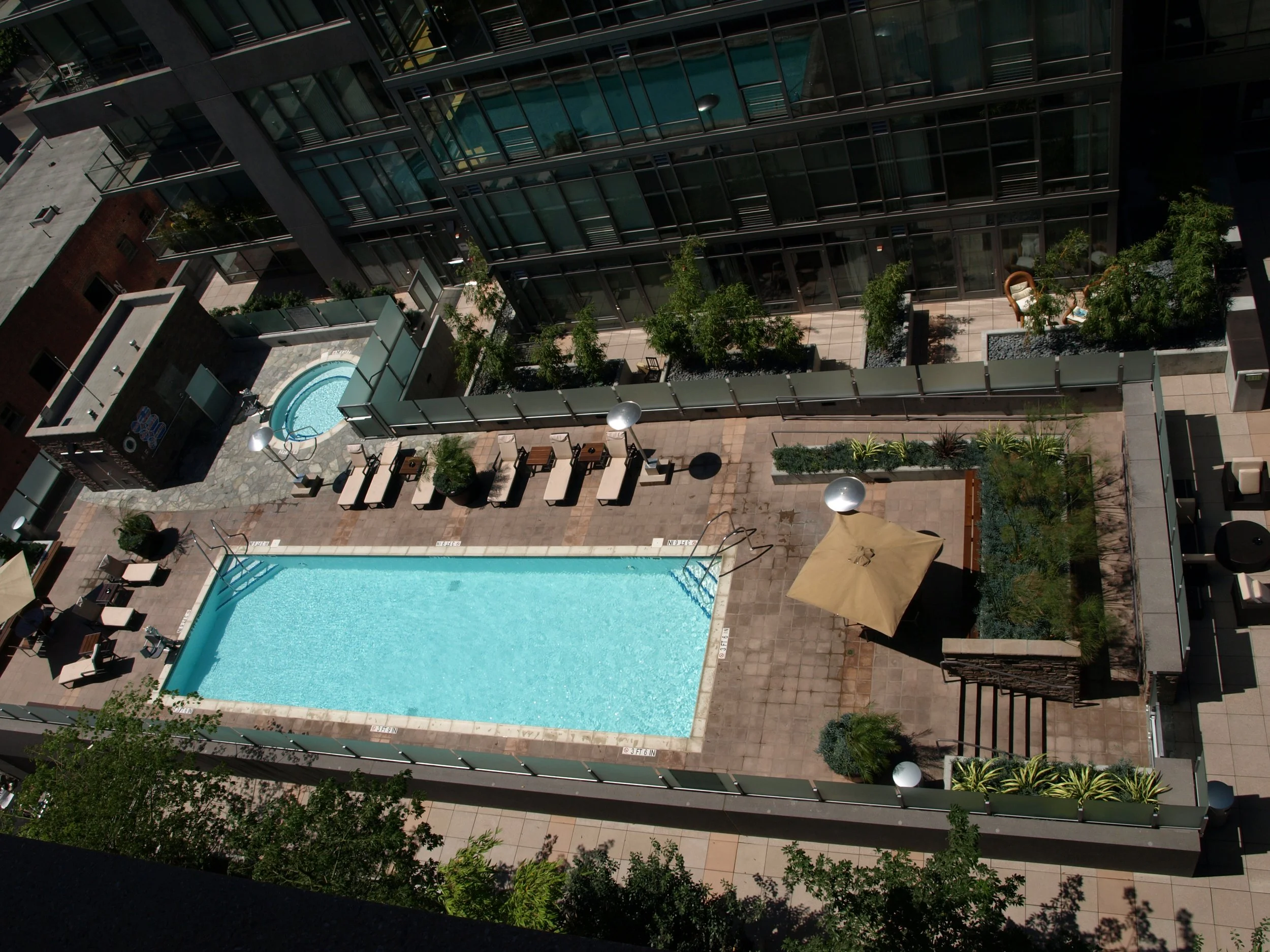
Elleven, 1111 S. Grand Avenue. A 2005 condominium building in South Park, near L.A. Live and Crypto.com Arena. We represented the seller.
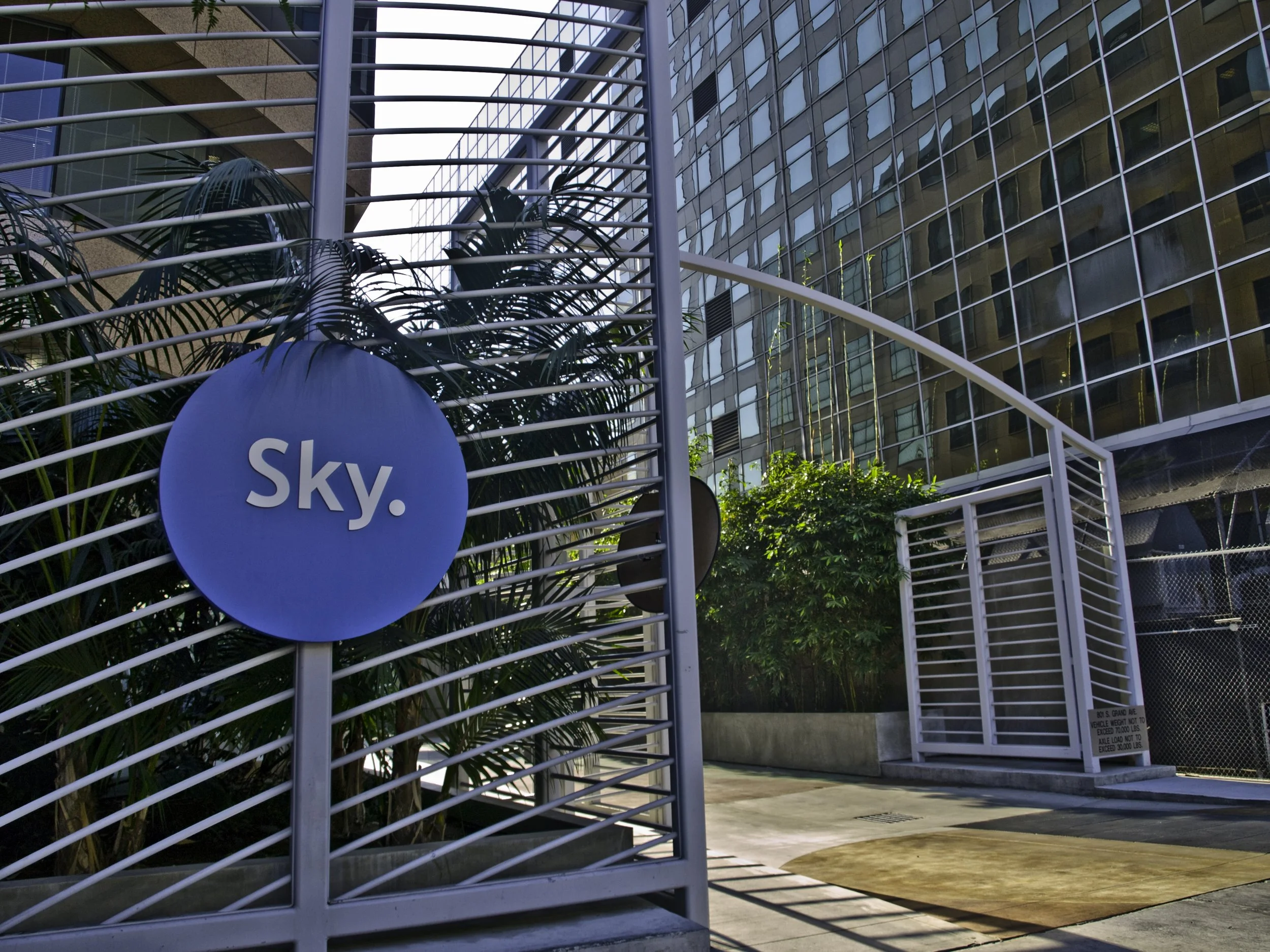
Skylofts, 801 S. Grand Avenue. Residences on the upper floors of a 22-story 1980s tower at 8th and Grand, with offices below and city views above. We represented the seller.
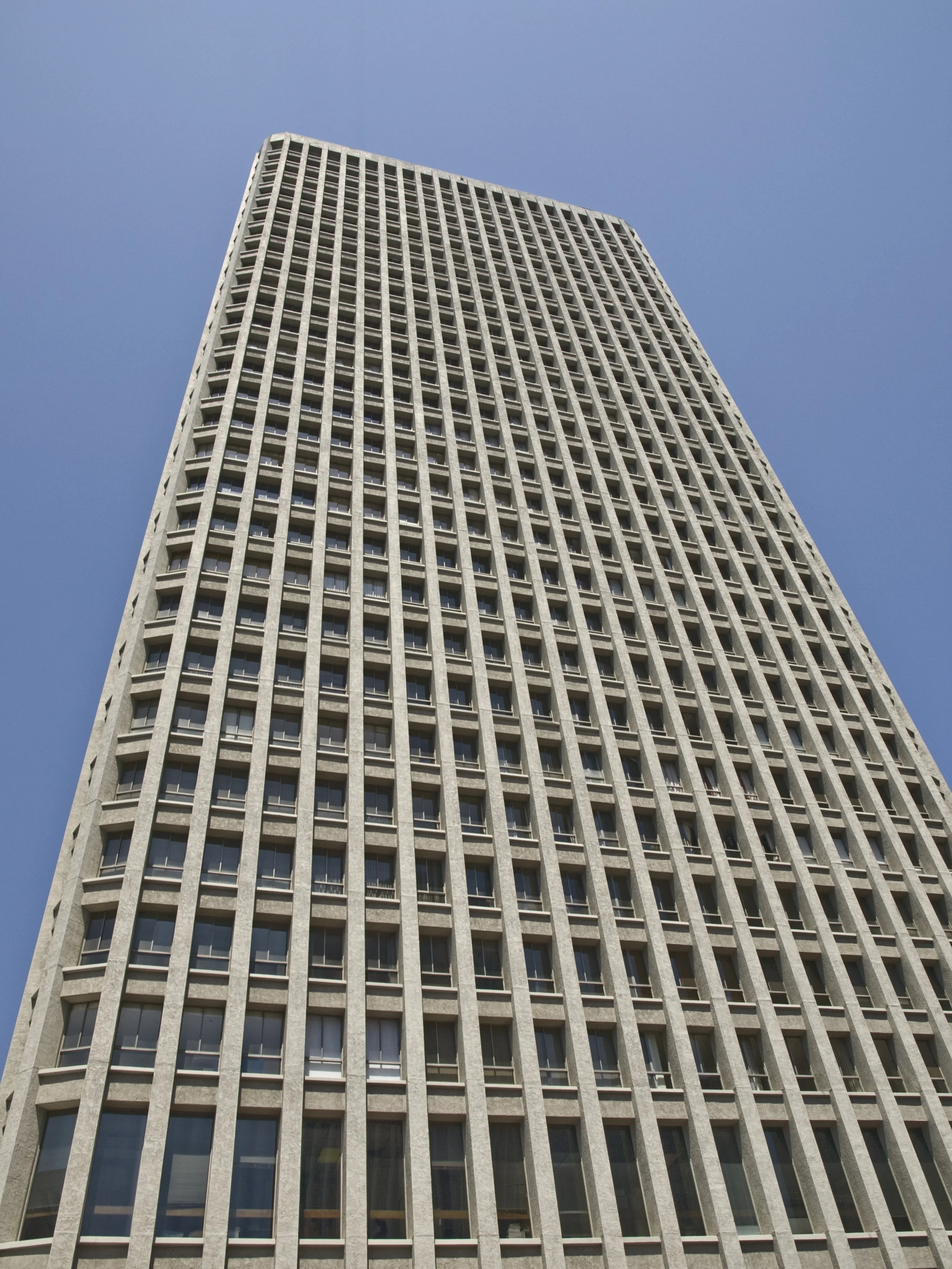
Bunker Hill Tower, 800 W. 1st Street. A 32-story 1968 tower from the Bunker Hill redevelopment, near Walt Disney Concert Hall, with a pool, tennis courts and 24-hour concierge. We represented the seller.
See our full architectural and mid-century portfolio.
Buying a loft or condo
These are the points we walk every loft buyer through.
The HOA and its reserves. Read the budget, the reserve study and the minutes. Older buildings carry elevators, facades and roofs that are expensive to maintain, so look for special assessments, past or planned.
Financing. Some conversions do not meet the guidelines for conventional or FHA loans because of commercial space, investor ownership or litigation. Ask your lender to review the building before you write an offer.
Parking. Spaces may be deeded, assigned, leased or off site. Know exactly what comes with the unit.
Light, views and noise. Exposure matters more in a loft than in a house. Visit at night and on a weekend, and note what is next door and what could be built there.
Live-work and use rules. Some lofts are zoned or governed as live-work, and some buildings limit short-term rentals or leasing. Read the CC&Rs.
The building's history. Ask about the conversion, seismic work and any building-wide repairs, and what original detail survives.
Frequently asked questions
-
Missig Team at Berkshire Hathaway HomeServices California Properties has represented buyers and sellers in Downtown's historic loft conversions, including the 1911 A.G. Bartlett Building, Little Tokyo Lofts and Grand Lofts, and in high-rise condominiums such as Skylofts, Elleven and Bunker Hill Tower.
-
Adopted by the City of Los Angeles in 1999, it made it easier to convert older commercial buildings into housing. It is the reason so many of Downtown's historic banks, offices and warehouses are now lofts.
-
Most Downtown lofts are legally condominiums. "Loft" usually describes the space: high ceilings, open plans, large windows and exposed structure, often in a converted historic building. Newer high-rise condominiums tend to have conventional layouts and more amenities.
-
The Historic Core along Spring, Main and Broadway, including the Old Bank District, Gallery Row and the Jewelry District, plus Little Tokyo, the Arts District, South Park and the Fashion District, all have converted buildings from the early 1900s. Bunker Hill, the Financial District and South Park also have high-rise condominiums.
-
Often, but not always. Some buildings do not meet lender guidelines because of commercial space, investor ownership or litigation. Have your lender review the building early.
-
Downtown lofts are mostly in 90012, 90013, 90014 and 90015, within the City of Los Angeles.
-
Yes. Downtown is in the City of Los Angeles, so Measure ULA's transfer tax applies to sales above the city's thresholds, which adjust each year. We can tell you where a sale would land before you list.
Buying or selling a loft or condo in Downtown Los Angeles? We would be glad to talk through the building as well as the space. Call Phil at 310.844.6434 or email Missig Team at info@missigteam.com.
See also our full architectural and mid-century portfolio and our Echo Park page.