

Architectural and Mid-Century Homes in Los Angeles
Architectural homes in Los Angeles are houses designed by a recognized architect, from Arts and Crafts bungalows by Charles and Henry Greene in Pasadena to mid-century modern houses by Richard Neutra, Rudolph Schindler and John Lautner in Silver Lake and the Hollywood Hills. Missig Team at Berkshire Hathaway HomeServices California Properties has represented homes by Pierre Koenig, Calvin Straub, Burton Schutt, Lorcan O'Herlihy, Aaron Neubert, Rex Lotery, Edward Fickett and William Kesling, from Laurel Canyon to Silver Lake.
Phil Missig came to real estate from fashion, photography and an interest in architecture and design, and that shapes how we sell these homes. We know who designed the house, what makes it significant, and how to present it to buyers who care. With 25 years at BHHS California Properties, Phil leads a team that treats every architectural sale as a piece of design history changing hands.
Map of architectural homes in Los Angeles
Use the map to see where architect-designed homes cluster across the city, from Pasadena and Los Feliz to Santa Monica and Brentwood.
Architect-designed homes across Los Angeles, mapped by Missig Team.
Our Architectural Portfolio
Each entry below is a home we have represented.
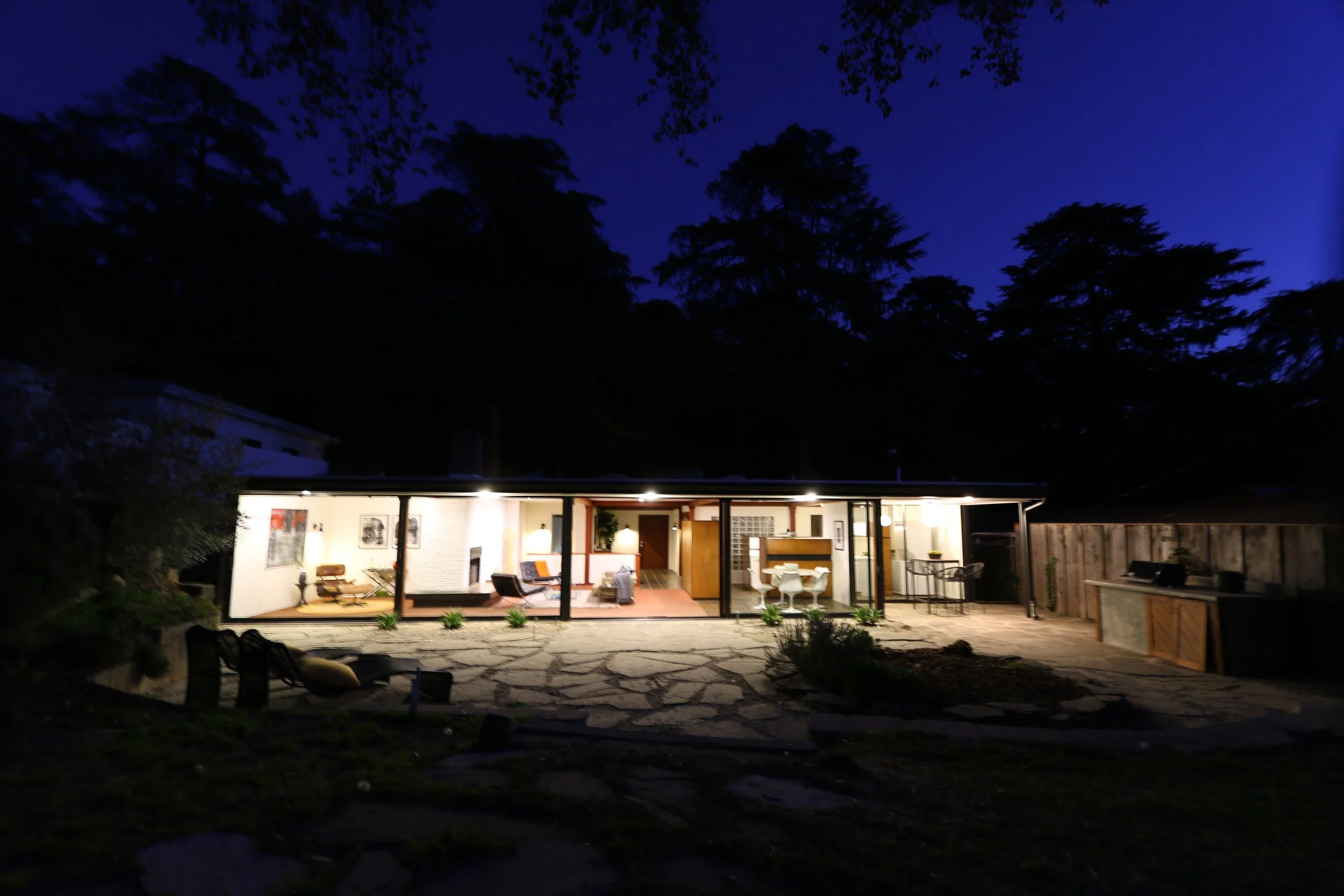
Pierre Koenig: The Squire House, 1953
Pierre Koenig AIA is best known for Case Study Houses #21 and #22, two of the defining works of postwar Los Angeles modernism. The Squire House came first: one of his earliest residential commissions, built in 1953 in the Alta Canyada area of La Cañada Flintridge. The steel, glass and concrete pavilion has a full glass rear wall, original stone floors and a masonry fireplace. We represented the buyer. Featured in Dwell.
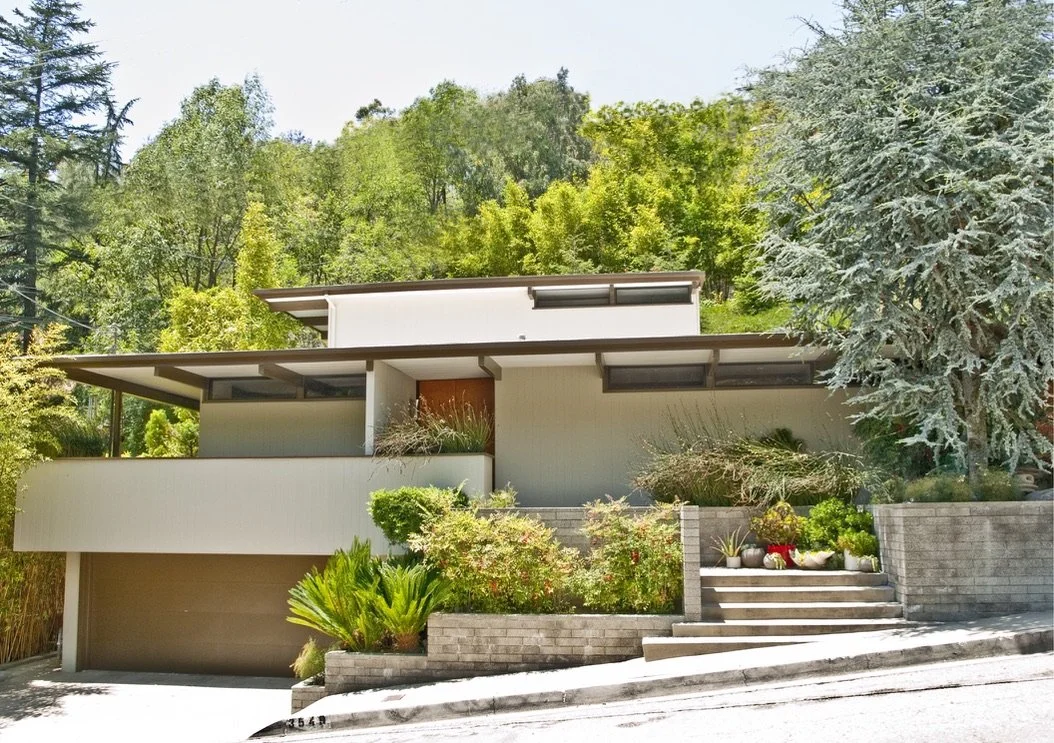
Calvin Straub: The Ebbink Residence, 1953
Calvin Straub FAIA is known as the father of California post and beam architecture. The Ebbink Residence has terrazzo floors, floor-to-ceiling glass and the open indoor-outdoor plan Straub championed. We represented the seller. We have also represented a second two-story Straub home with a pool and dining patio. View the home.
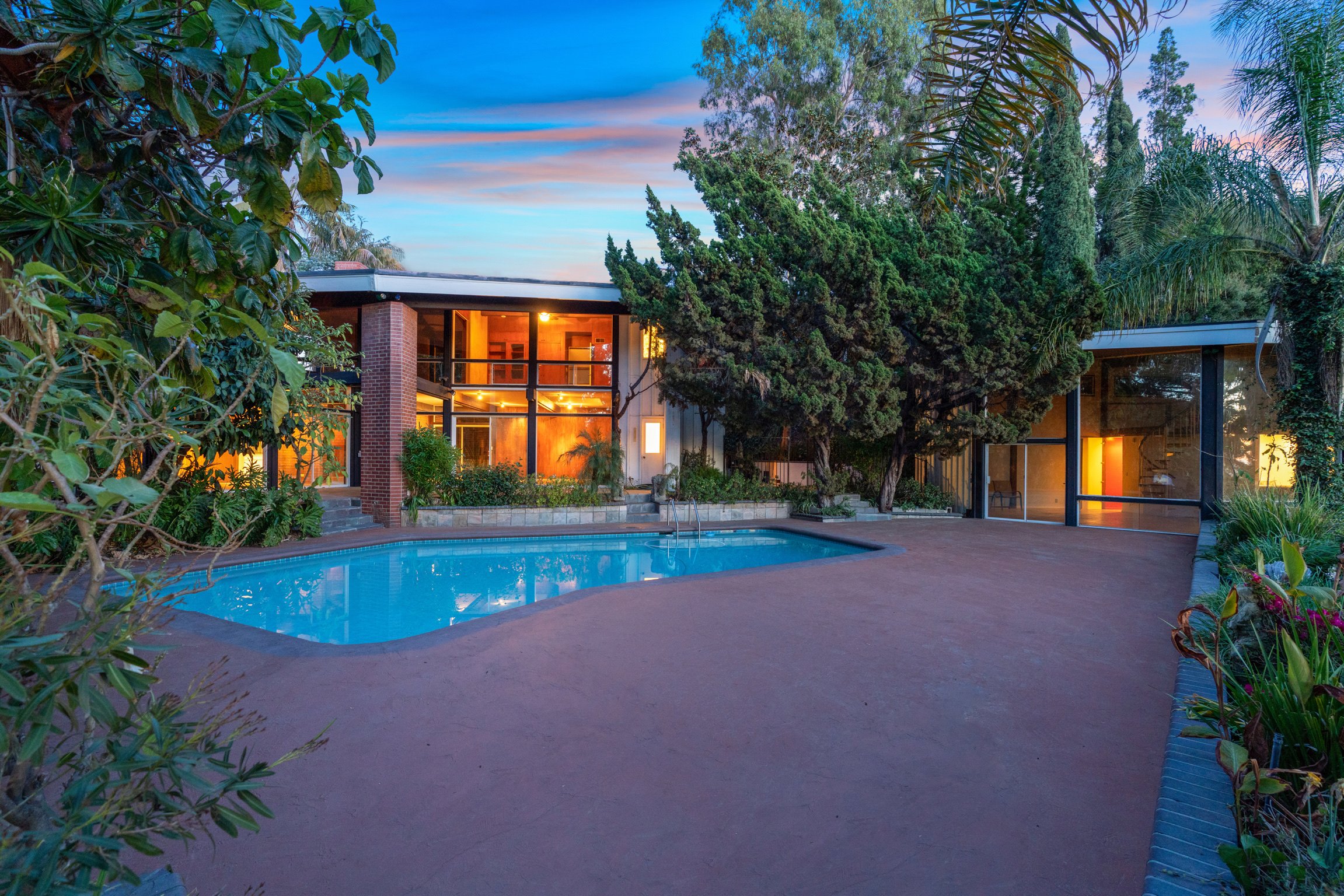
Burton Schutt: The Landsberg Residence, 1954
This Hollywood Hills post and beam home by Burton Schutt was built for Klaus Landsberg, the original station manager of KTLA. Its multi-sided form is unusual for the period. It has 3 bedrooms, 3 bathrooms and a double-sided fireplace. We represented the seller. View the home. Featured in the LA Times.
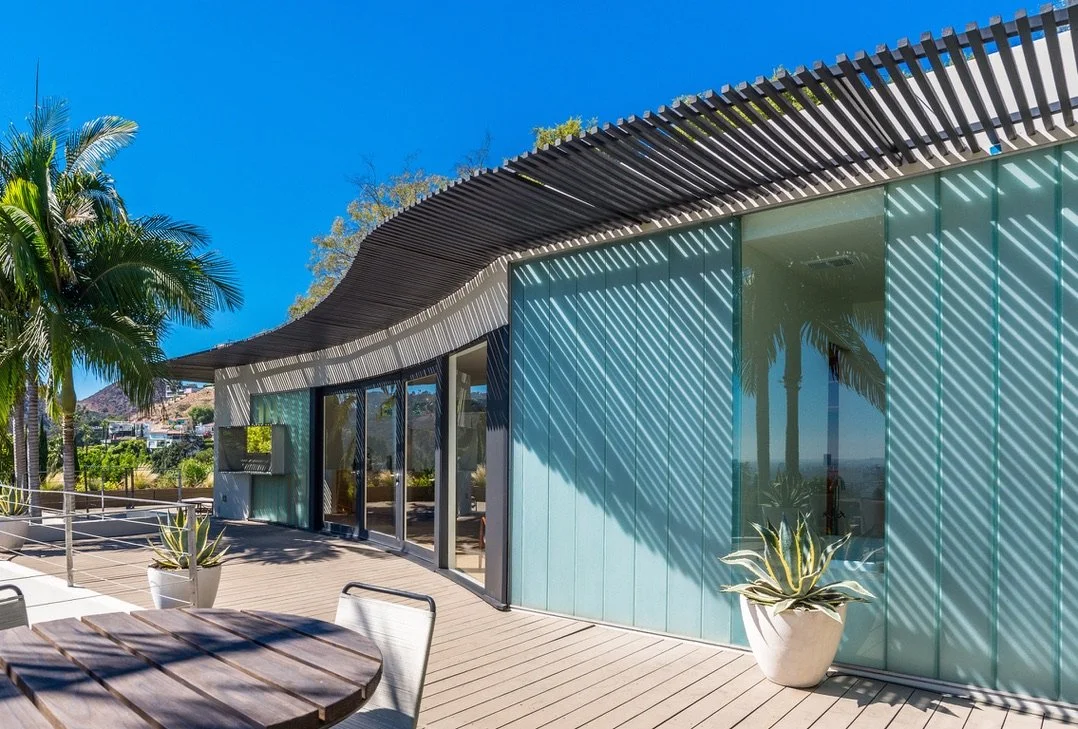
Lorcan O'Herlihy: Streamline Moderne, Hollywood Hills
Built in 1946 and later redesigned by Lorcan O'Herlihy AIA. The home pairs Streamline Moderne lines with a second-story primary suite, an infinity pool and an outdoor cabana. We represented the seller. View the home.
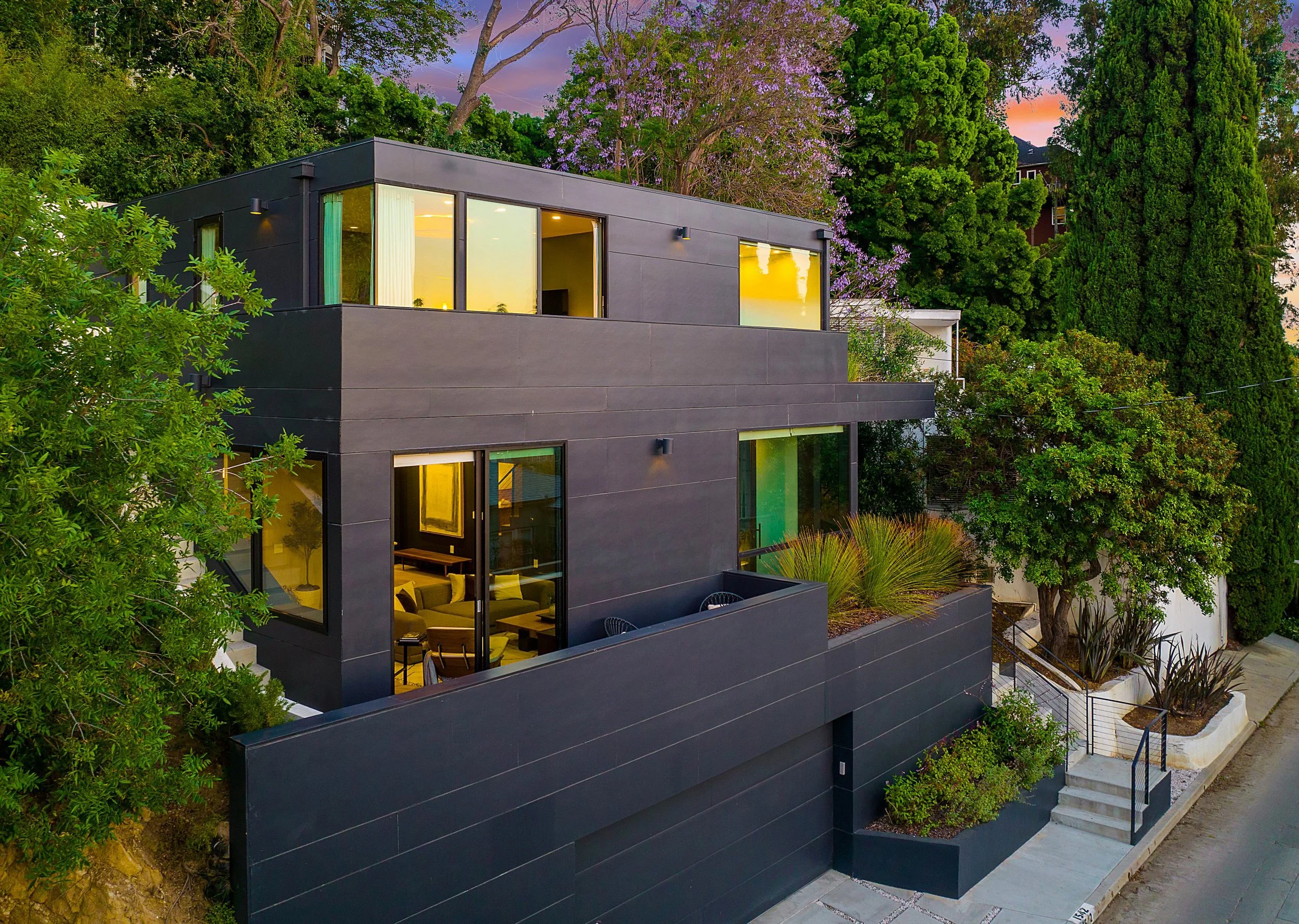
Aaron Neubert: The Tilt-Shift House, Silver Lake, 2017
Aaron Neubert FAIA designed this award-winning home of stacked volumes, skylights and floor-to-ceiling glass. It has 3 bedrooms plus an office and 4 bathrooms, with sunset views. It won a 2018 Residential Architecture Citation Award from AIA Los Angeles and a 2017 Single Family Housing Award at the Los Angeles Business Council's 54th Los Angeles Architectural Awards. We represented the buyer, and later the seller. View the home. Featured on Realtor.com.
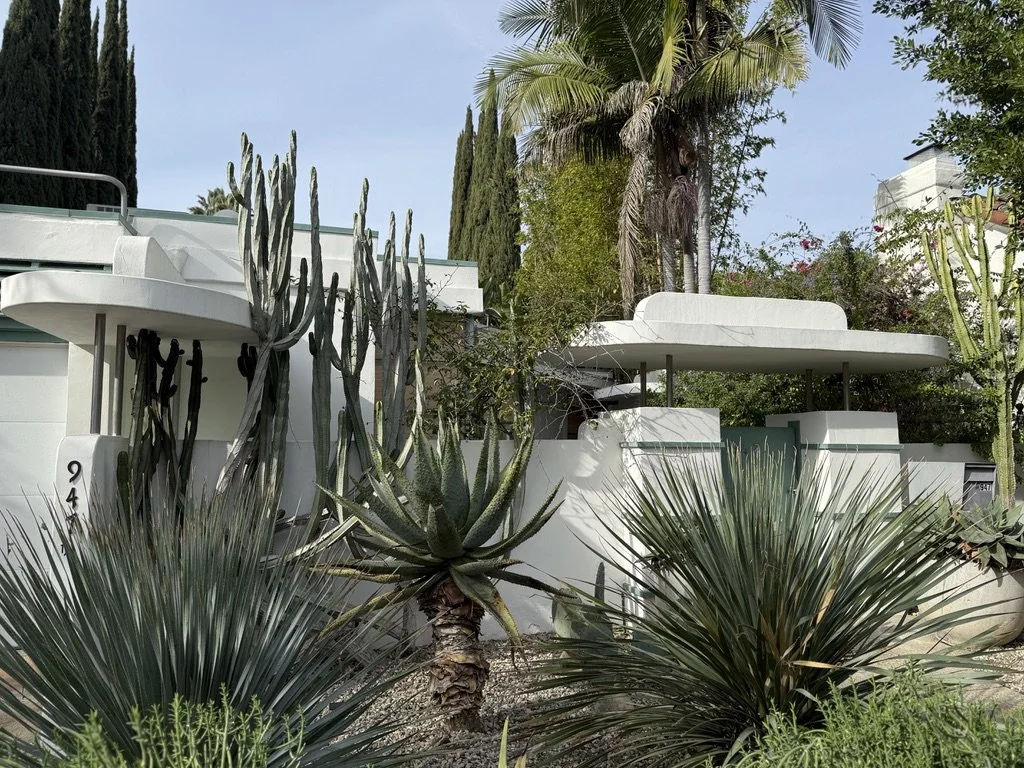
William Kesling: Wallace Beery's Hollywood Hideaway, 1936
Wallace Beery, an Oscar winner and in 1932 the world's highest-paid actor, commissioned William Kesling to design this Streamline Moderne home at 947 N Martel Avenue, completed in 1936. It is one of only 15 surviving family homes by Kesling, with rounded corners, a flat roof, painted horizontal bands, steel casement windows and original 1930s tilework. A pool and a prefab ADU, added with Cultural Heritage Commission review, now sit behind it. Los Angeles declared it Historic-Cultural Monument No. 1172 in 2018. We represented the buyer. Featured in the LA Times (2011 and 2023), Dwell, The Spaces and the Beverly Press.
More architect-designed homes we have represented
-
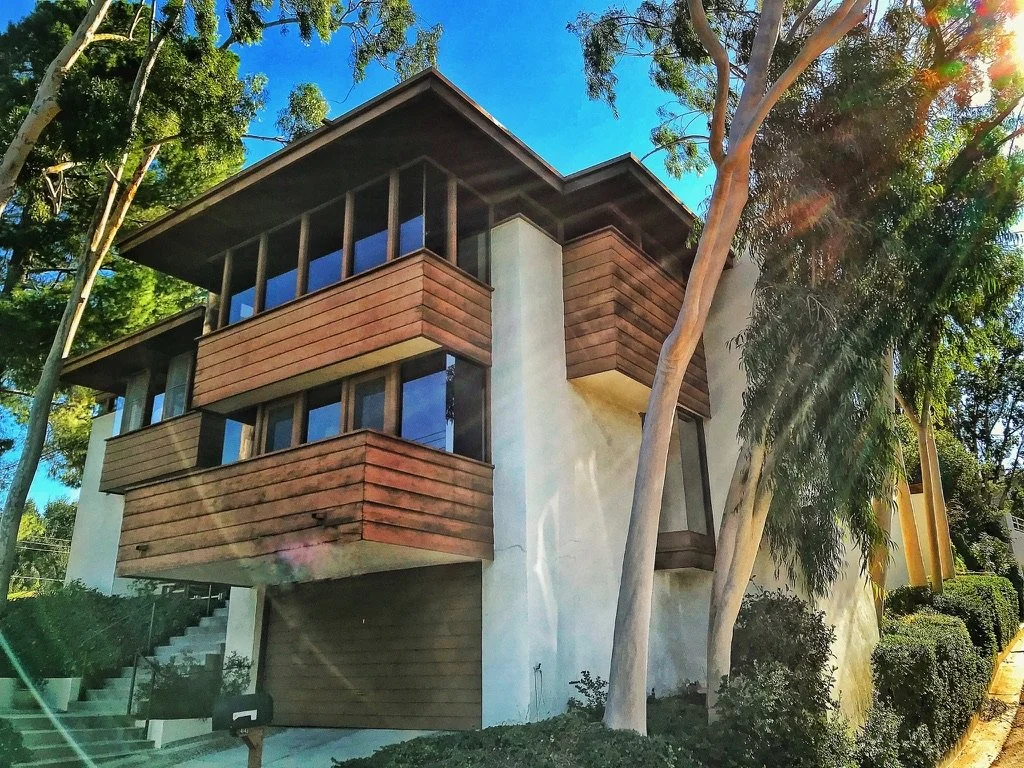
The Spanner Residence
Rex Lotery FAIA, c 1968
Woodland Hills, CA
We represented the Buyer.
-
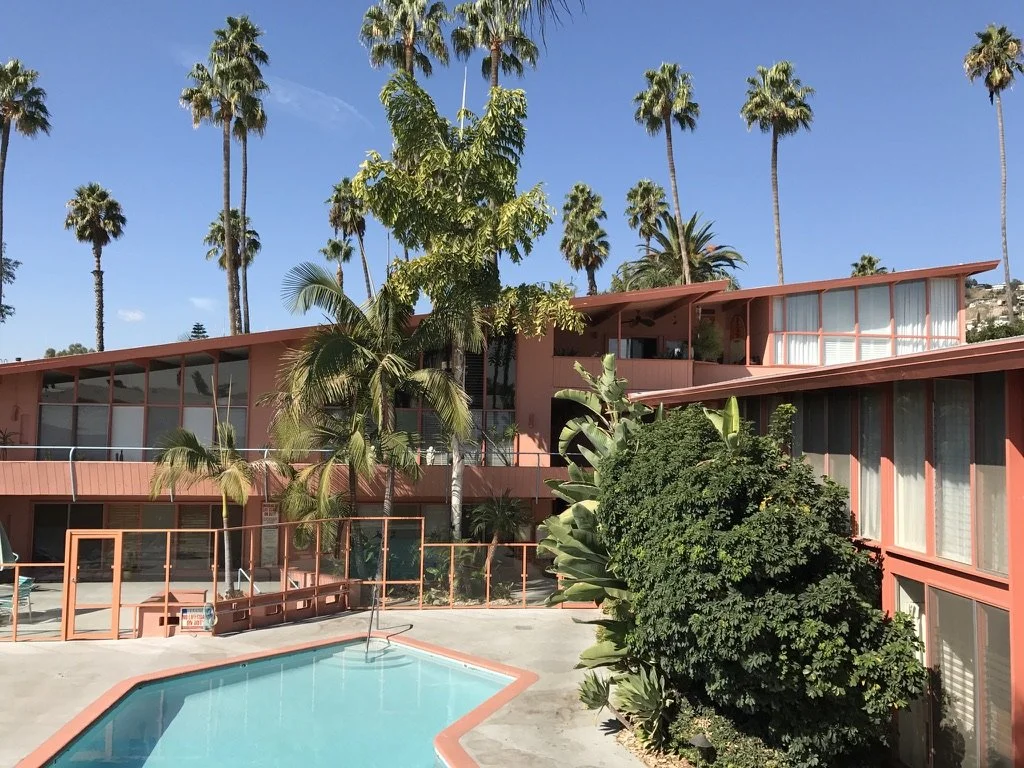
The Hollywood Riviera (Historically Designated)
Edward Fickett FAIA, c 1953
West Hollywood, CA
We represented the Seller.
-
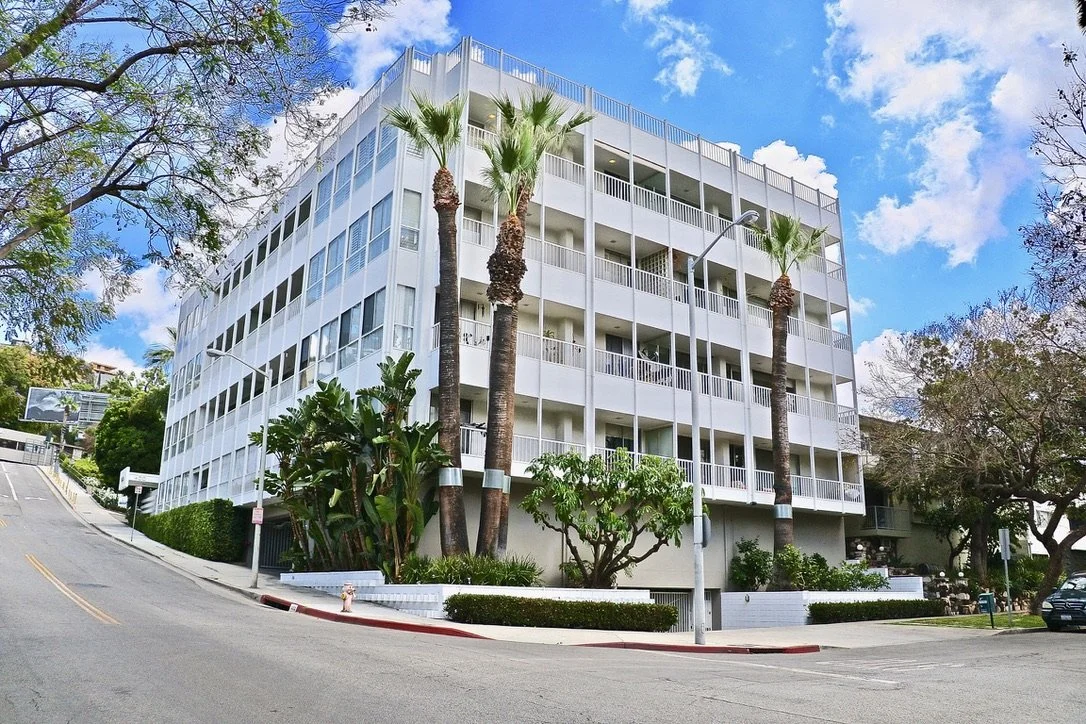
Sunset Penthouse Condominiums
Frank P Schneider AIA, C 1962
West Hollywood, CA
We represented the Buyer, and later the Seller.
-
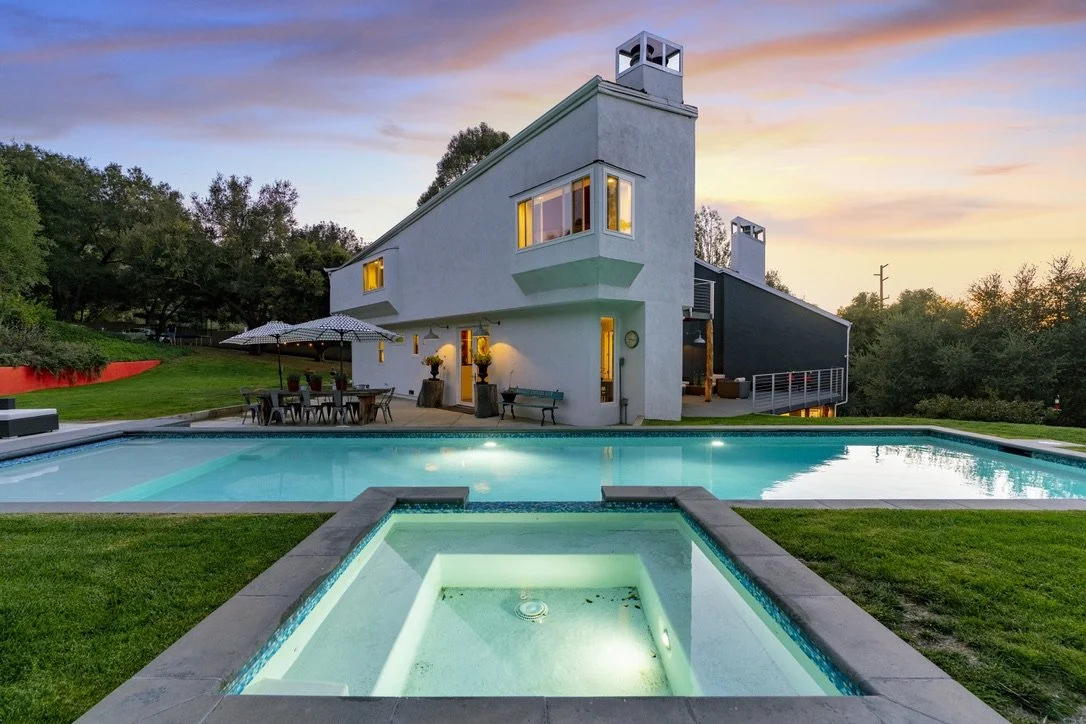
Urban Farm on 1.5 acres
Leonard Steinbrueck AIA
Calabasas, CA
We represented the Seller.
-
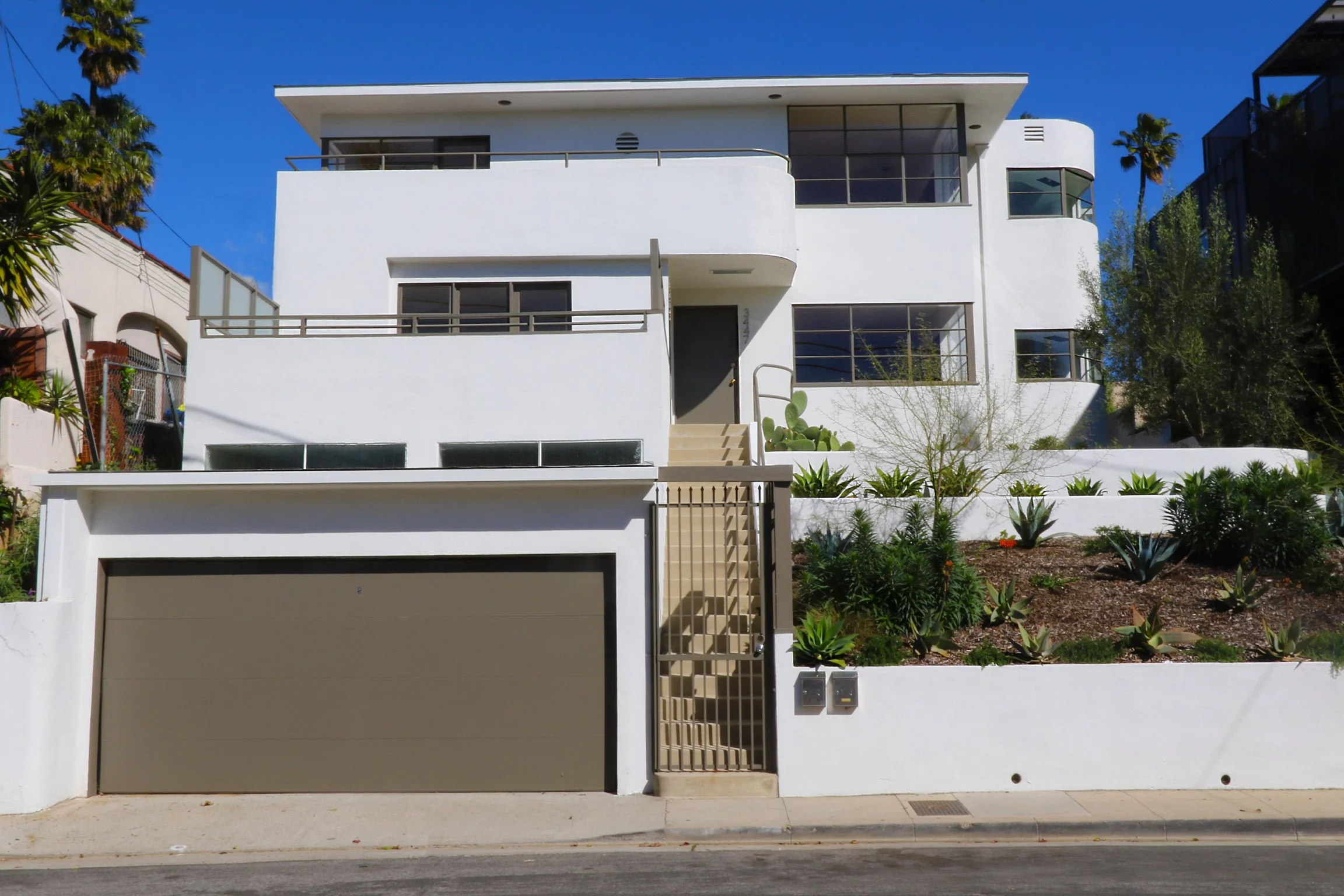
The Walter Daniels Duplex
Streamline Moderne
Silver Lake, Los Angeles, CA
We represented the Buyer, and later the Seller.
-
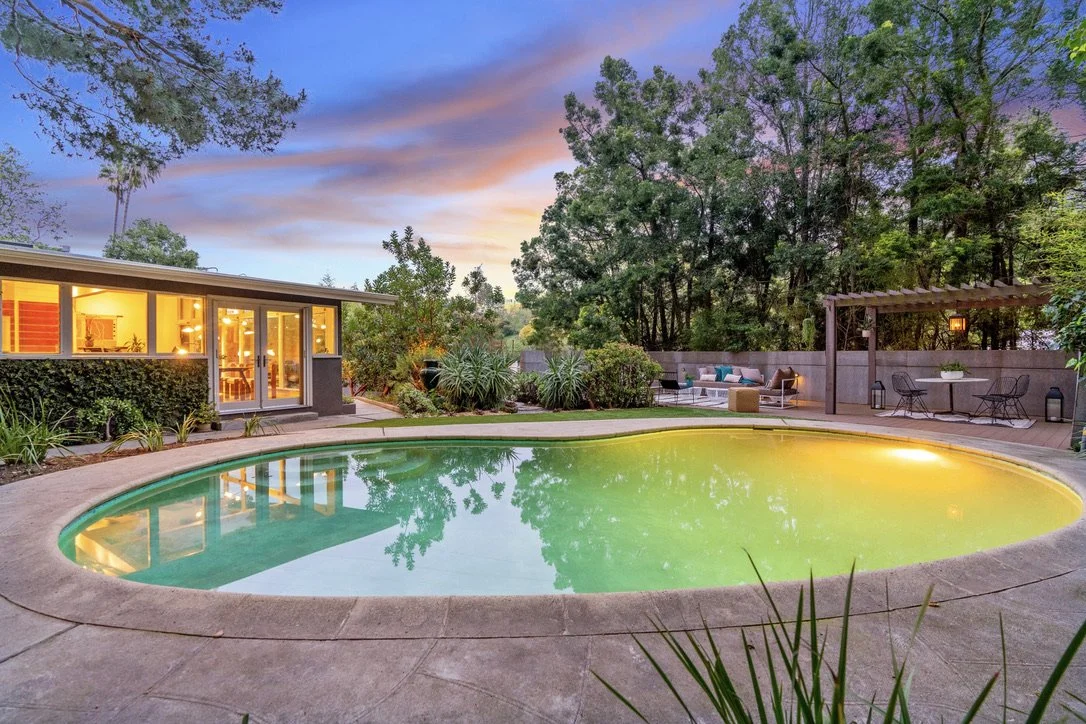
The Rodenberg Residence
Mid-Century Post & Beam, c 1954
Laurel Canyon, Los Angeles, CA
We represented the Buyer, later the Seller, and later again the next Seller.
-
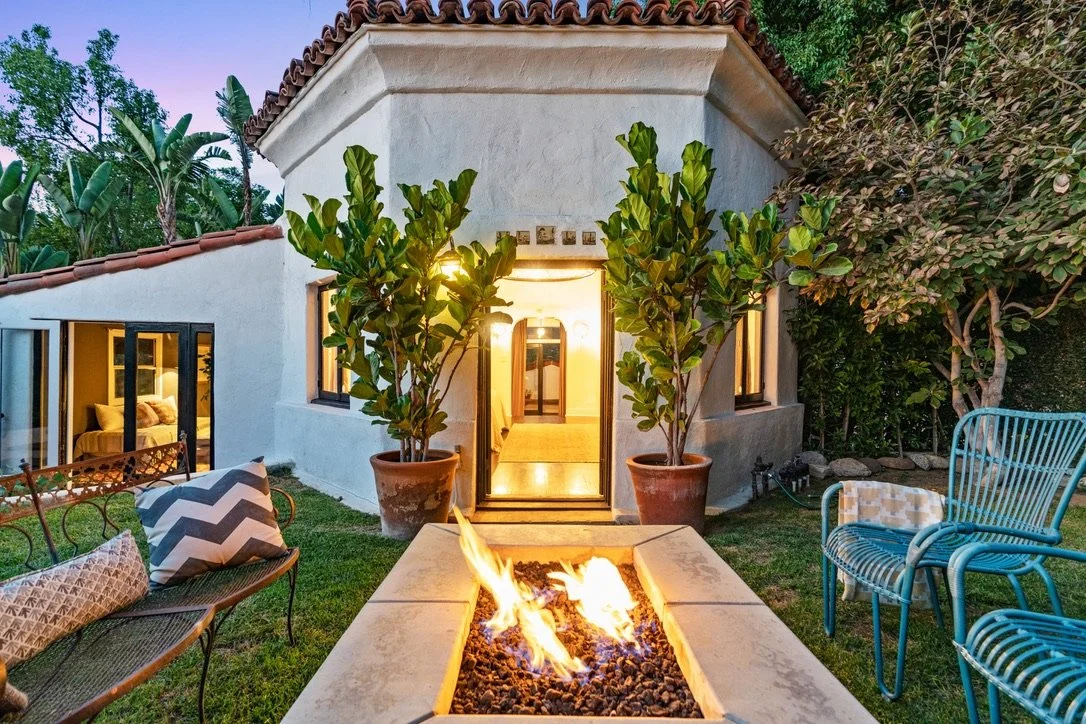
Original Hollywoodland model home and sales office
Spanish Revival, c 1923
Hollywood Hills, Los Angeles, CA
Featured in LA Times
We represented the Seller.
-
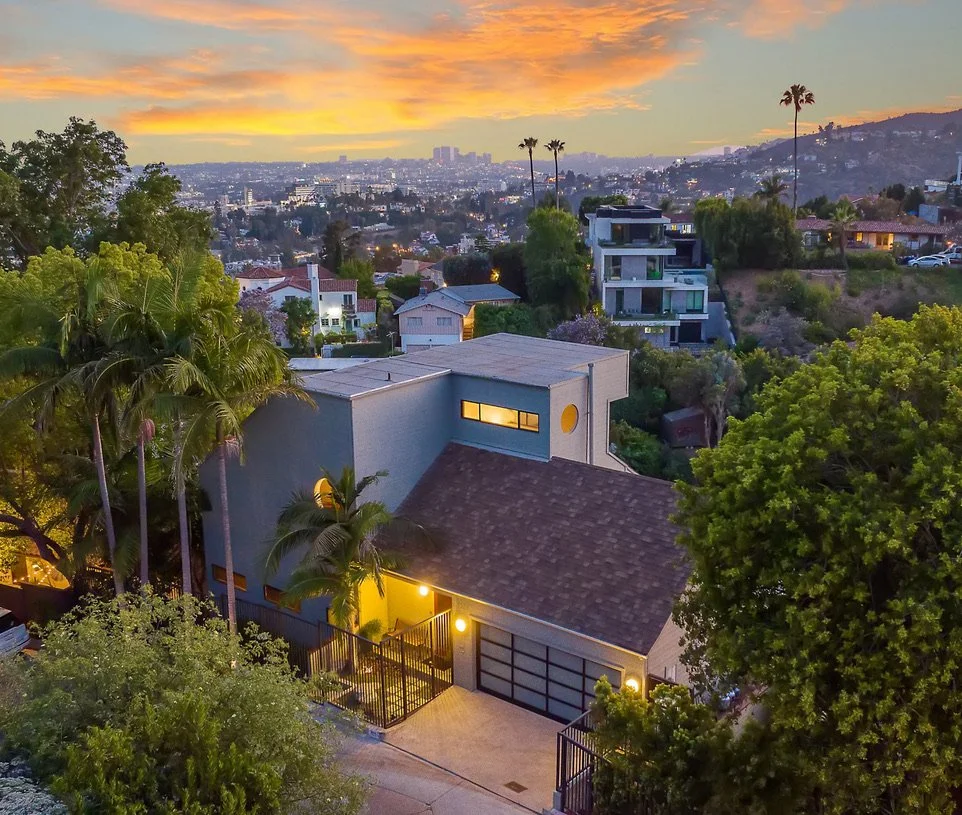
6201 Quebec Drive
Tony Ngai, c 1980
Hollywood Hills, CA
We represent the Seller (current listing)
Which architects designed the most important homes in Los Angeles?
The architects most associated with Los Angeles homes are Richard Neutra, Rudolph Schindler, Charles and Henry Greene, John Lautner, Frank Lloyd Wright, Lloyd Wright, Paul R. Williams, Craig Ellwood, Pierre Koenig and Raymond Kappe. Missig Team follows their work house by house, along with many lesser-known designers.
Richard Neutra: Austrian-born modernist who joined glass, steel and garden into one composition. Silver Lake holds a cluster of his houses, including his own VDL Research House.
Rudolph M. Schindler: Came to Los Angeles through Frank Lloyd Wright's office and built an experimental modernism, starting with his Kings Road House in West Hollywood.
Charles and Henry Greene: Pasadena brothers behind the Gamble House and the finest Arts and Crafts houses in America, known for hand-joined wood and deep eaves.
John Lautner: Trained under Frank Lloyd Wright and designed some of the boldest hillside houses in the city, including the Chemosphere and the Sheats-Goldstein Residence.
Frank Lloyd Wright: Designed the Hollyhock House and the 1920s textile-block houses, including the Ennis House.
Lloyd Wright: Frank Lloyd Wright's son, known for sculptural concrete-block houses such as the Sowden House in Los Feliz.
Paul R. Williams: The first Black member of the American Institute of Architects, whose elegant houses defined Southern California glamour.
Jones and Emmons: A. Quincy Jones and Frederick Emmons, partners in warm post and beam modernism, including tract homes for Joseph Eichler.
Craig Ellwood: Precise steel-frame modernism and three Case Study Houses.
Pierre Koenig: Steel and glass Case Study Houses, including the Stahl House above Sunset.
Raphael S. Soriano: A pioneer of steel-framed houses, clean and modular.
Charles and Ray Eames: Designers of the Eames House in Pacific Palisades, Case Study House No. 8.
Gregory Ain: Modernism for everyday life, including the Mar Vista Tract.
Harwell Hamilton Harris: A Neutra alumnus who brought wood and warmth to the modern house.
Raymond Kappe: Founding director of SCI-Arc, whose wood and glass houses step down steep hillsides.
John Byers: A largely self-taught designer of adobe-brick and Spanish revival houses in Santa Monica and Brentwood.
Wallace Neff: Pasadena-born master of Spanish Colonial Revival estates.
Frank O. Gehry: His remade Santa Monica house changed how the world saw an ordinary bungalow.
Where are the architectural homes in Los Angeles?
Architectural homes in Los Angeles concentrate in the Hollywood Hills, Laurel Canyon, Hollywood Dell, Beachwood Canyon, Silver Lake, Los Feliz, West Hollywood, Pasadena, Santa Monica, Brentwood, Beverly Hills, Hancock Park and the hillsides of Studio City and Sherman Oaks.
HOLLYWOOD HILLS
Mid-century post and beam, Streamline Moderne and hillside modern homes
LOS FELIZ
Period Revival, Tudor and early modern homes
SANTA MONICA and BRENTWOOD
John Byers revival houses and canyon modernism by Neutra and Lloyd Wright
STUDIO CITY and SHERMAN OAKS
Valley post and beam by Calvin Straub and hillside homes by Raymond Kappe
LAUREL CANYON
Post and beam retreats on wooded hillside lots
WEST HOLLYWOOD
Mid-century courtyard buildings and architect-designed condominiums
BEVERLY HILLS
Wallace Neff estates and hillside modern homes
BEACHWOOD CANYON and HOLLYWOOD DELL
Hollywoodland’s 1920s Spanish and storybook homes below the Hollywood Sign, plus hillside modernism in the Dell
SILVER LAKE
Contemporary architect-designed homes, Streamline Moderne and historic monuments
PASADENA
Greene and Greene Arts and Crafts houses, Heineman bungalows and Wallace Neff revival homes
HANCOCK PARK
Period revival homes by Paul R. Williams and his contemporaries
ECHO PARK
Victorian homes in Angelino Heights and contemporary architect-designed homes
What should you know before buying an architectural home in Los Angeles?
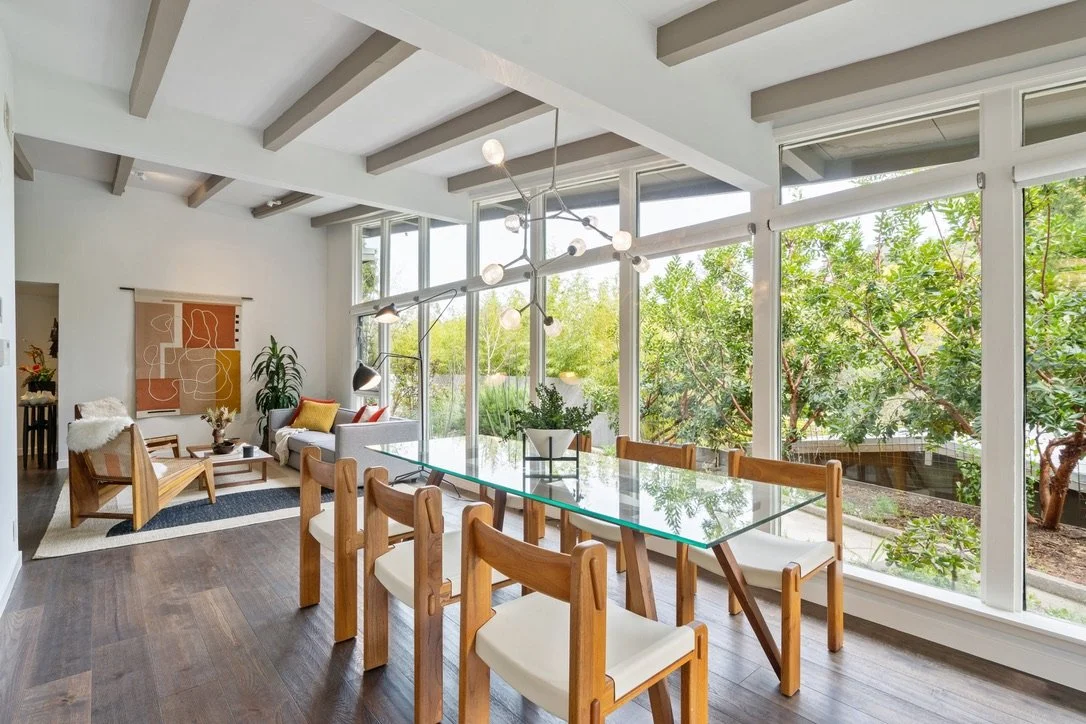
Before buying an architectural home in Los Angeles, confirm who designed it, check its historic status, and inspect its original systems with specialists. Here is what we walk every buyer through.
Confirm the attribution. A famous name raises value, so verify it through original permits, drawings and architectural archives.
Check historic status. A Historic-Cultural Monument or a home in an HPOZ (Historic Preservation Overlay Zone) carries review rules for changes. It may also qualify for a Mills Act contract, which can lower property taxes.
Inspect the original systems. Post and beam framing, flat roofs, large single-pane glass and radiant heat all need specialists who know mid-century construction.
Plan renovations with respect. The most valuable homes keep their original character. Insensitive updates can cost more than they add.
Price against the right comps. An architectural home rarely compares to the tract house next door. We price against other architect-designed sales.
Know the hillside. Many of these homes sit on slopes, so review geology, retaining walls and fire insurance early.
How do you sell an architect-designed home in Los Angeles?
To sell an architect-designed home in Los Angeles for its full value, document its history, photograph it as architecture, market it to buyers who follow the architect, and price it against comparable architectural sales.
Document the story. We research original drawings, permits, publications and historic designations, so a confirmed attribution is presented with care.
Photograph it as architecture. Phil directs every shoot and chooses the hour when the light shows the design best.
Reach the people who care. We go directly to buyers who follow the architect, through our own list of waiting buyers, the design community and, when an owner prefers privacy, a quiet off-market sale.
Price it against architecture. Comparable sales for a significant house are other significant houses, and we build the case for value from that evidence.
Own an architectural home? Let's talk.
Some of the most important architectural homes in Los Angeles change hands without ever reaching the open market. Whether you are thinking about selling this year, in five years or simply want to know what your home is worth today, a conversation with Missig Team is private and carries no obligation.
How can you find an architectural home before it is listed?
The best way to find an architectural home in Los Angeles before it is listed is to work with an agent who tracks these houses and hears when owners are ready to sell. Tell us what you are looking for, and we will reach out when a home that fits comes up.
Be first to know.
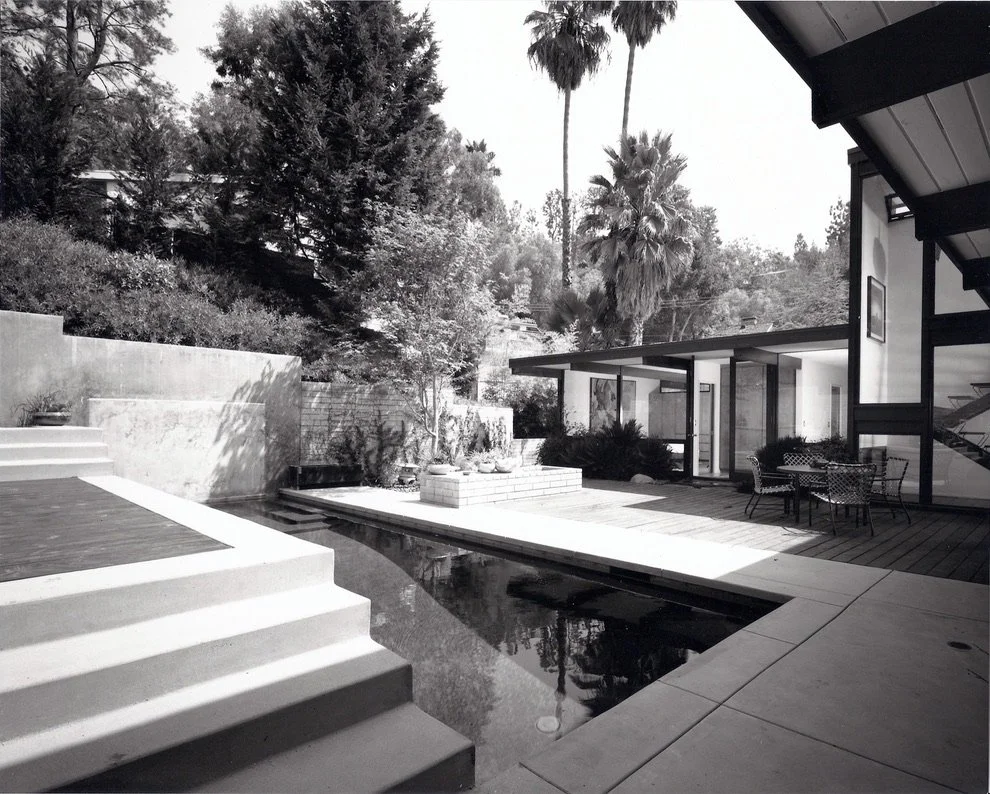
Architectural homes in Los Angeles: frequently asked questions
-
Missig Team at Berkshire Hathaway HomeServices California Properties in Beverly Hills specializes in architect-designed and mid-century homes across Los Angeles. The team has represented homes by Pierre Koenig, Calvin Straub, Burton Schutt, Lorcan O'Herlihy, Aaron Neubert and William Kesling.
-
An architectural home is a house designed by a recognized architect, where the design is a main reason the home is valued. In Los Angeles that includes Arts and Crafts, Spanish revival, mid-century modern and contemporary houses by architects such as Richard Neutra, Rudolph Schindler, John Lautner and Greene and Greene.
-
A post and beam house is built on a frame of vertical posts and horizontal beams instead of load-bearing walls, which frees the walls for open floor plans and large panes of glass. Calvin Straub is often called the father of California post and beam architecture.
-
The Case Study Houses were experimental modern homes commissioned by Arts and Architecture magazine from 1945 to 1966. Architects in the program included Charles and Ray Eames, Pierre Koenig, Craig Ellwood, Raphael Soriano and Richard Neutra, and many of the houses are in Los Angeles.
-
They often are, when the attribution is documented and the original design is intact. Value depends on the architect, condition, setting and historic status, so pricing should rest on sales of comparable architect-designed homes.
-
The Mills Act is a California law that lets owners of qualified historic properties sign a contract with their city to lower their property taxes in exchange for preserving the home. The contract stays with the property when it sells.
-
A Historic Preservation Overlay Zone, or HPOZ, is a City of Los Angeles historic district where most exterior changes to homes need design review.
-
Yes, within limits. Historic-Cultural Monuments and homes in an HPOZ need city review before most exterior changes, and a Mills Act contract requires work that follows preservation standards. We help buyers understand these rules before they make an offer.
-
Start with the original building permits from the city where the house sits, then check original drawings, architecture books, magazines and archives. Missig Team verifies attribution before a home is marketed or bought.
-
Some of the strongest concentrations of mid-century modern homes in Los Angeles are in the Hollywood Hills, Beachwood Canyon, the Hollywood Dell, Laurel Canyon, Los Feliz, Silver Lake and the hillsides of Studio City and Sherman Oaks.
Buying or selling an architectural home?
Whether you own a significant house or are searching for one, we would like to talk.